




The Wave

First Pillar

The Long Line
The Long Line

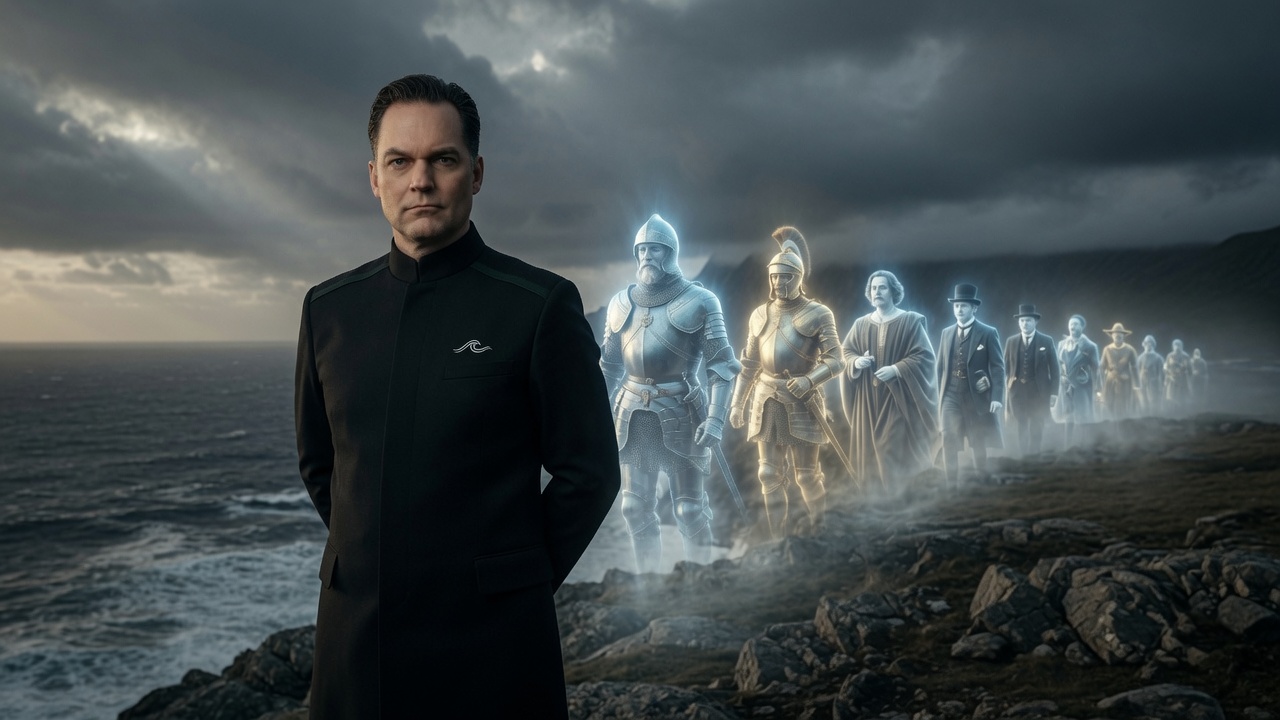
A people is not a population. It is a line. The first pillar is the Long Line — the unbroken chain of blood, memory, and duty that runs from those who built before us to the children not yet born.

We inherited the land, the tongue, and the standard from people who lived it and, when they had to, died for it. The work of a generation is to hand that inheritance on in better order than it was received. A generation that treats itself as the end of the story has already cut the line.

The Long Line is carried in the family, in the craft, in the names of the dead, and in the refusal to forget who we are. The old form the young. Stories, schools, and the example of a life exist to continue a people, not to dissolve them into a managed public.

Where the line is cut — by replacement, by taught shame, by the cult of the present — the Hearth goes cold and the Steward has nothing left to guard. Continuity comes first. Everything else is built on it.

What this requires
What is remembered is kept. The history, the tongue, and the duty are taught as inheritance, not as a private opinion. A people that knows its line can still choose its future.

Second Pillar

The Hearth

The Hearth

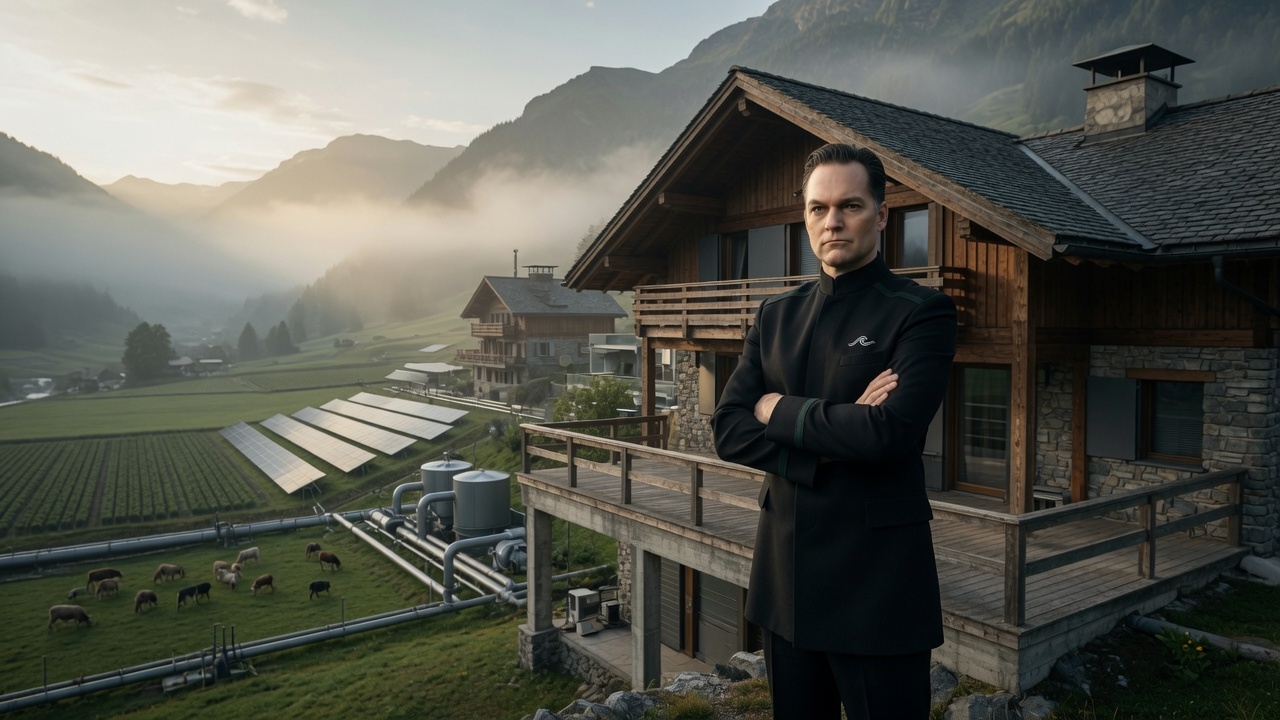
A people that cannot feed, house, power, or defend itself on its own soil has already surrendered its future. The second pillar is the Hearth — material and spiritual self-sufficiency returned to the family, the Node, and from there to the civilisation.

We reject dependence on fragile supply lines and on powers that do not share our fate. A society that outsources its food, its energy, its industry, and its defence cuts the root that ties it to reality. Land, water, fire, shelter, and the capacity to defend them stay with the people who live there.

The Hearth begins at home. Gardens, workshops, local food, a reactor the Node can keep, and neighbours who will stand when it matters. It scales through the region until the Imperium, our macro-region, can function without being held hostage. This is the pioneer standard, not a lifestyle.

The Hearth is not a retreat from the world. It is the condition of sovereignty. A civilisation that must beg, borrow, or buy its survival will be made to trade away its children. We will not make that trade.

What this requires

Food, power, water, and the means to defend them are held inside the Imperium, our macro-region, at the smallest scale that can actually carry them. The Hearth is built to take the outside hand off the throat.

Third Pillar

The Steward

The Steward

The third pillar is the Steward. He is not a manager of a public, and he is not the crowd. He is the one who keeps the fire, forms the young, and answers for the Hearth in his own life before he asks it of anyone else.

A civilisation transmits excellence or it decays. The Steward knows he is a temporary custodian of something older than he is. He rejects the paper-mill that turns out certified people with no craft, no memory, and no duty.

Authority here is moral before it is technical. Character first. Competence with it. Men follow the standard they can see, not the speech they were sold.

In practice he works through the Hearth, the apprenticeship, and the Node. The old pass real mastery to the young. The young become responsible for carrying it. Formation, not processing.

He does not stand above the Hearth as its owner. He stands in its service. His task is to protect it, strengthen it, and see that it can be handed on intact — and that the Long Line is still a line when he is gone.

What this requires

Mentorship, apprenticeship, and a standard that can be inspected. The Steward’s authority is the order he keeps, not an office he occupies.

The Shield

The Aegis

The Aegis

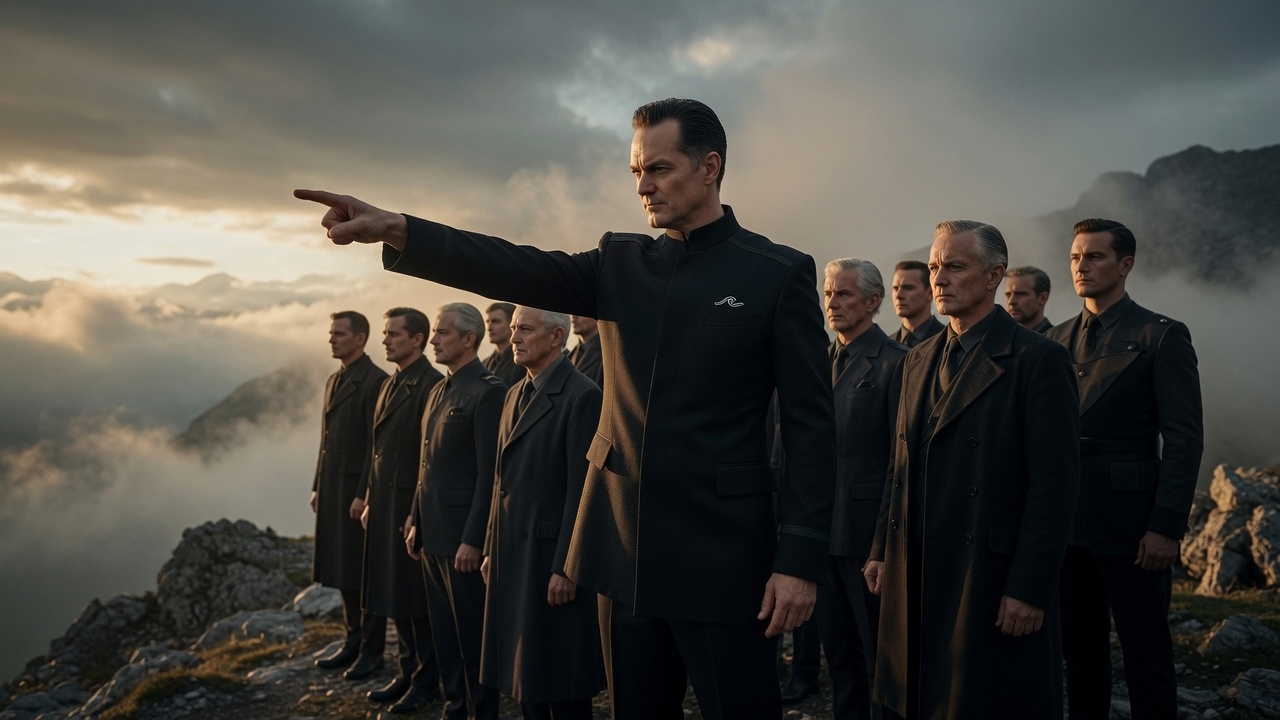
The Long Line, the Hearth, and the Steward still need a shield. That shield is the Aegis. It is set around the three pillars. It is not itself a pillar, and it is not a licence to rule the life inside the Hearth. The vanguard elite of the Order stands in that shield: a defensive order of the leadership, handpicked by the Founding Steward. It does not police or control the nations in any way. Once the Imperium is achieved, the Aegis will guard the Imperium’s border against threats from outside.

Small nations and broken regions do not hold a border against a civilisational bloc. The Imperium is that realm. It is the smallest scale at which sovereignty is real again: large enough to matter, built so it cannot swallow the peoples it holds. The Aegis will protect that border.

The powers of the Aegis stop at the outside. It is the order that defends the borders of the Imperium and everything else critical to its survival: external defence, the border, critical infrastructure, strategic independence. The danger of every large shield is that it turns inward. The Aegis is built against that turn.

Decisions stay at the lowest level that can actually take them. The Aegis exists to stop conquest and coercion from outside. It does not manage the faith, the tongue, the school, or the table. In that limit it serves the three pillars instead of replacing them.

What this requires

The Aegis is the order that defends the borders of the Imperium and everything else critical to its survival. The powers of the Aegis are limited to external defence, the border, critical infrastructure, and strategic independence. Any reach into the internal life of a nation, a Node, or a Hearth is made structurally impossible.